




Effects of Untreated Water in Kenya
Introduction
- Access to safe and clean water remains one of Kenya’s biggest public health and development challenges.
- Millions of Kenyans, especially in rural and informal settlements, still rely on rivers, wells, and streams that are untreated and contaminated.
- The effects of consuming untreated water are severe, affecting not only health but also productivity, education, and the economy.
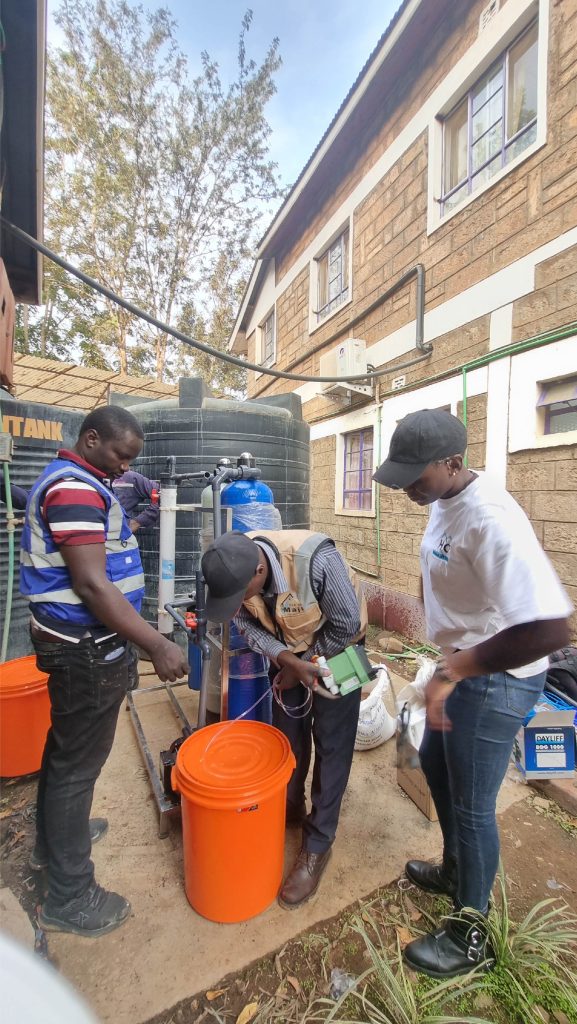
- House of Maji advocates for widespread water treatment awareness and provides technologies that make safe water accessible and affordable across Kenya.
1. Health Effects
- Waterborne Diseases:
- The leading consequence of untreated water is the spread of diseases such as cholera, typhoid, dysentery, and diarrhea.
- According to the Ministry of Health, thousands of Kenyans, especially children under five, die annually from preventable waterborne illnesses.
- House of Maji Foundation runs community projects that supply treated water to reduce these health risks.
- Parasitic Infections:
- Stagnant and untreated water often carries parasites like Giardia lamblia and Schistosoma, causing intestinal and urinary diseases.
- Chemical Contamination:
- Borehole water in some regions contains excess fluoride, arsenic, or heavy metals, leading to dental and skeletal fluorosis.
- Industrial effluents and agricultural runoff contribute additional toxins that affect long-term health.
- Impact on Nutrition:
- Waterborne diseases lead to dehydration, malnutrition, and stunted growth in children, creating a vicious health cycle.
2. Economic Effects
- Loss of Productivity:
- Illnesses caused by untreated water result in absenteeism from work and school.
- Families spend significant income on medical bills instead of productive investments.
- Healthcare Burden:
- The cost of treating water-related diseases strains Kenya’s healthcare system.
- Preventing contamination through treatment, like the systems provided by House of Maji, is far more cost-effective than treatment after illness.
- Reduced Workforce Efficiency:
- Poor health limits labor output, especially in agriculture and informal sectors where physical effort is key.
- Communities with untreated water sources often experience slower economic development.
3. Educational Effects
- Absenteeism in Schools:
- Children frequently miss classes due to illnesses linked to contaminated water.
- Lack of safe water in schools also affects hygiene, sanitation, and overall learning environments.
- The House of Maji Foundation partners with schools to install water treatment systems, promoting healthier and more consistent attendance.
4. Environmental Effects
- Pollution of Water Sources:
- Discharge of untreated sewage and waste into rivers increases contamination levels.
- Over time, ecosystems such as wetlands and aquatic habitats are destroyed.
- Depletion of Safe Sources:
- Without treatment and conservation, communities overexploit limited clean water sources, worsening scarcity.
- House of Maji’s Approach:
- The organisation emphasizes sustainable water management—protecting catchments, installing eco-friendly treatment plants, and promoting recycling of wastewater for non-drinking uses.
5. Social and Community Effects
- Inequality:
- Wealthier households can afford bottled or treated water, while poorer communities remain exposed to health risks.
- House of Maji seeks to bridge this gap by offering affordable filtration and reverse osmosis systems suitable for small communities.
- Gender Impact:
- Women and girls often bear the burden of fetching water from long distances.
- When water is untreated, they also face higher risks of infection from contaminated sources.
6. Solutions and Way Forward
- Promote community water treatment systems in rural areas.
- Encourage household-level purification methods, boiling, chlorination, or filtration.
- Strengthen public-private partnerships with organizations like House of Maji to expand access to safe water infrastructure.
- Implement stronger enforcement of environmental and sanitation regulations.
- Educate communities on safe storage, handling, and hygiene to prevent recontamination.
Conclusion
- The effects of untreated water in Kenya cut across every sector, health, education, economy, and the environment.
- Investing in water treatment is not only a health priority but also an economic and social imperative.
- House of Maji continues to champion solutions that make clean water a right, not a privilege.
- Through innovation, education, and community collaboration, Kenya can overcome the dangers of untreated water and build a healthier, more productive nation.
Comments
0 Likes